
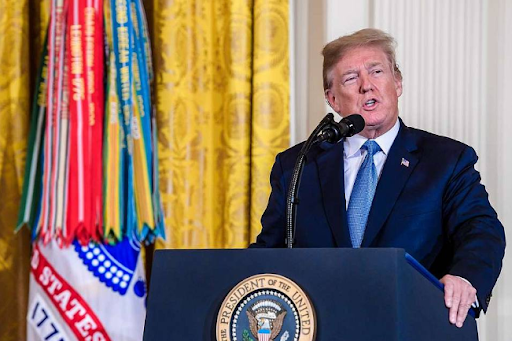
By dedicating a substantial portion of his State of the Union Address to Iran, President Trump ensured that his message reached not just American lawmakers, but the global audience that watches the US President’s annual address to Congress. The choice to use this particular platform to press Iran was almost certainly deliberate.
Trump accused Iran of pursuing nuclear and missile ambitions in defiance of American warnings, called it the world’s foremost state sponsor of terrorism, and claimed its government had killed tens of thousands of its own citizens. By making these accusations before a global audience, he sought to isolate Tehran diplomatically as well as militarily.
At the same time, he confirmed that active negotiations are underway and that Iran is interested in a deal. By saying this publicly, Trump both acknowledged Iranian intentions and created expectations — if a deal falls apart, Iran will bear the blame for failing to make the “secret words” commitment he described.
Trump’s references to Operation Midnight Hammer and the US military buildup in the Gulf served as reminders to the global audience that American military power is engaged and available. The message to Iran’s potential allies and partners — Russia, China, others — was that the US is managing this challenge and does not need their mediation.
His State of the Union remarks on Iran were, in this sense, a form of public diplomacy as much as political speech — using the global stage to reinforce American credibility, pressure Iran, and set the terms of the debate over what any nuclear deal must include.