
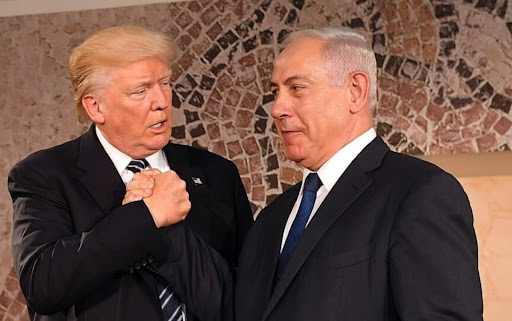
Benjamin Netanyahu has a vision for the Middle East that is sweeping in scope and long in timeline. He sees the current conflict with Iran as a historic opportunity to fundamentally alter the regional balance of power — diminishing Iran, potentially changing its government, and creating a more secure environment for Israel and its regional partners. It is an ambitious, principled vision built on decades of strategic thinking. It also collides, with increasing regularity, with the more realistic limits that Donald Trump has placed on American involvement in the conflict.
Trump’s limits are not primarily ideological — they are practical. Nuclear containment is achievable; regional transformation is much less so. The economic costs of extended escalation affect American consumers and allied economies. The political costs of an open-ended military commitment without a clear exit strategy are real and accumulating. Trump has acknowledged all of these factors in his recent statements — pulling back from regime-change rhetoric, expressing skepticism about a popular Iranian uprising, and accepting narrower definitions of success.
The collision between Netanyahu’s sweeping vision and Trump’s realistic limits has been expressed most clearly in operational terms. Israel’s targeting of South Pars — Iran’s economic engine — reflects the comprehensive degradation strategy that Netanyahu’s vision requires. Trump’s objection to the strike reflects the bounded approach that his more modest objectives imply. The two leaders are not fighting the same war — a reality that Director of National Intelligence Tulsi Gabbard confirmed to Congress.
Netanyahu’s response to the collision has been characteristically skillful. He accepts narrow limitations, projects deference, invokes shared conviction, and maintains operational freedom on the fronts that matter most to his strategy. He has not been asked to abandon his vision — only to limit specific expressions of it. That is a manageable constraint for a leader with his political durability and domestic mandate.
Whether Trump’s limits will become more demanding as the conflict continues is the key variable. If the costs of Israeli escalation — economic, diplomatic, and strategic — continue to accumulate, pressure on Washington to impose more substantial constraints will grow. At some point, the collision between Netanyahu’s vision and Trump’s limits may require a more fundamental renegotiation of what the alliance is actually committed to achieving.