
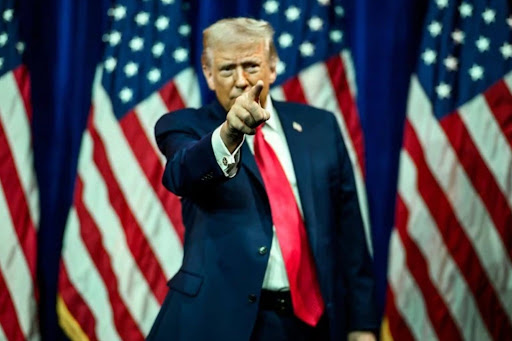
President Donald Trump broadened the pressure on Iran on Thursday by suggesting it was not just Washington but the entire world that was running out of patience with Tehran’s approach to the ceasefire negotiations. His Truth Social post accused Iranian negotiators of privately begging for a deal even as their government maintained a public posture of calm deliberation, and Trump warned that the international community’s tolerance for this kind of duplicity had its limits. The message was designed to make Iran feel the weight of global scrutiny.
The US ceasefire proposal covers 15 provisions and offers Iran significant concessions including sanctions relief, a nuclear rollback, missile limitations, and the restoration of international access to the Strait of Hormuz. The Strait of Hormuz is critical to global energy markets, carrying approximately one-fifth of world oil supply. Iran’s rejection of the proposal has stalled the peace process despite Trump’s sustained public optimism about an eventual deal.
Iran has publicly articulated its own peace conditions through state television, demanding protection of its officials from targeted strikes, formal assurances against future wars, reparations for wartime damage, and internationally recognized sovereignty over the Strait of Hormuz. These demands are more ambitious than what Washington has offered and reflect Tehran’s belief that a fair peace must include broad security and financial concessions in its favor. Narrowing the gap between the two positions is the defining challenge of the moment.
The conflict has produced a humanitarian catastrophe across the region. More than 1,500 Iranians and nearly 1,100 Lebanese have been killed, with additional casualties in Israel and neighboring countries. Thirteen US troops have also died, and millions of civilians in Iran and Lebanon remain displaced.
Trump’s appeal to global patience on Thursday was a strategic communication designed to isolate Iran diplomatically and amplify the pressure on Tehran. With military operations continuing alongside uncertain diplomacy, the situation is volatile and dangerous. Iran must recognize that the world’s patience, like Trump’s, has its limits and that the time for genuine engagement has arrived.