
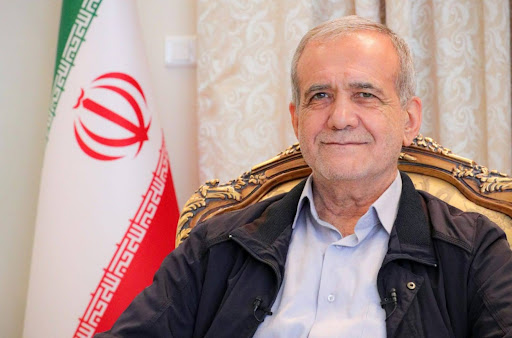
Iranian President Masoud Pezeshkian has linked Gulf prosperity to a single critical decision: whether to continue hosting US and Israeli military forces that are conducting operations against Iran. His message, delivered more than a month into the conflict, reduces the complex regional situation to a clear and consequential choice. Tehran is making the argument that Gulf nations’ economic futures depend on the political and security decisions they make today.
Gulf economies in countries including Saudi Arabia, the UAE, Kuwait, Qatar, and Oman have been significantly disrupted by the ongoing conflict. The combination of US military activities and Iranian retaliatory strikes has created economic uncertainty and instability across the region. Gulf governments are now confronting the economic consequences of their security choices.
Pezeshkian communicated on X that Iran’s military posture is strictly defensive, with retaliation guaranteed for any attack on Iranian infrastructure or economic centres. He then linked Gulf prosperity directly to the decision to deny enemy forces access to Gulf territory, arguing that development was impossible as long as Gulf nations hosted those who waged war on their neighbours. The economic framing was deliberate and targeted.
Pakistan’s diplomatic engagement has been one of the most active and credible in the region, with Prime Minister Shehbaz Sharif serving as an effective intermediary between Iran and other parties. His meeting with Pezeshkian confirmed that Iran sees trust as the essential prerequisite for any formal peace talks. Pakistan’s role has been praised by Tehran.
A high-level multilateral diplomatic meeting in Pakistan is drawing together foreign ministers from Saudi Arabia, Egypt, and Turkey. Their discussions with Pakistani Foreign Minister Ishaq Dar and Prime Minister Sharif are focused on developing a coordinated approach to de-escalation. The meeting represents a critical opportunity to advance the search for a political solution to the conflict.